Industrial Plastic Recycling for Businesses in Singapore
NEA General Waste Collector — Class A & B · Since 1992
Gee Hoe Seng provides NEA-licensed industrial plastic recycling for manufacturers and commercial operators across Singapore. We collect industrial-grade plastics including FOUP and FOSB containers (semiconductor), IC trays (electronics manufacturing), PE film, and PS reels in single-material bulk loads. Self drop-off at our Ubi facility is free with cash rebates paid on the spot. Ad-hoc collection starts from $120 per trip. Regular scheduled collection is free for qualifying volumes of 500kg or more per material type, with cash rebates based on prevailing market rates and material grade.
We do not collect consumer plastics, mixed plastics, or PVC. We hold a General Waste Collector licence (Class A and Class B) issued by the National Environment Agency, are ISO 9001 and ISO 14001 certified, and have operated in Singapore since 1992.
Singapore’s Plastic Recycling Trends
According to the National Environment Agency (NEA), plastic recycling rates in Singapore have remained persistently low compared to other recyclable waste streams.
In 2025, Singapore generated 890 thousand tonnes of plastic waste, but only 4% (34 thousand tonnes) was recycled. The global production and consumption of plastics have been rising rapidly, largely driven by single-use plastics such as disposable cups, utensils, straws, bags, and food packaging materials — all designed for convenience but discarded immediately after use.
What is Plastic Recycling?
Plastic recycling is the process of converting used plastics into new materials, reducing the demand for virgin plastic production. By reprocessing discarded plastics, plastic recycling helps conserve resources, lower carbon emissions, and reduce the amount of waste sent for incineration.
However, many plastics that reach recycling bins are contaminated with food residues or made from mixed materials, making segregation and recycling more difficult. Contamination lowers recycling efficiency, reduces material quality and increases processing costs.
For example, a typical plastic drink bottle may include:
3. Cap – HDPE (High-Density Polyethylene)
While clean PET bottles are highly recyclable, separating PVC labels and HDPE caps is complex and costly. As a result, many mixed or contaminated plastics are sent for incineration instead of recycling.
It’s important to note that plastic identification codes (1–7) do not mean an item is recyclable — they simply classify plastics by material type to assist identification and sorting.
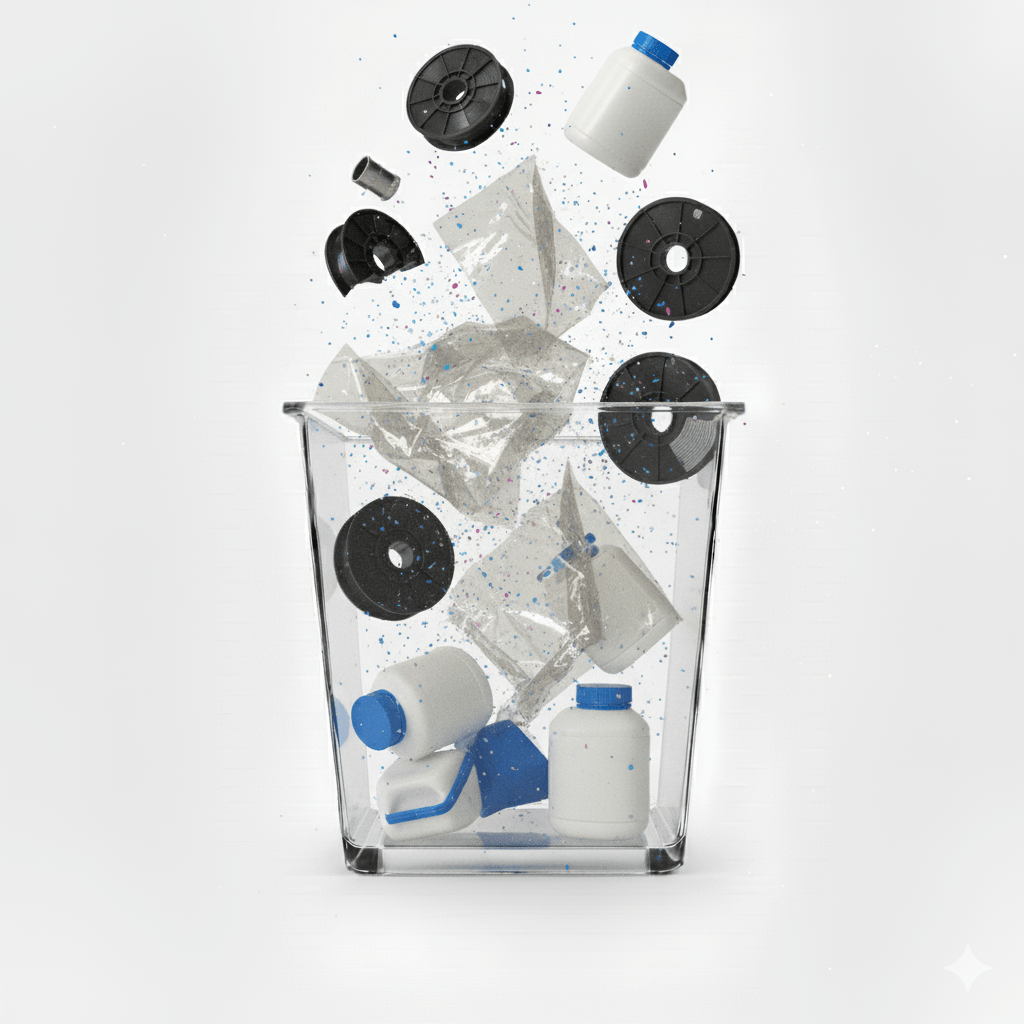
Types of Industrial Plastics We Recycle from Singapore Businesses
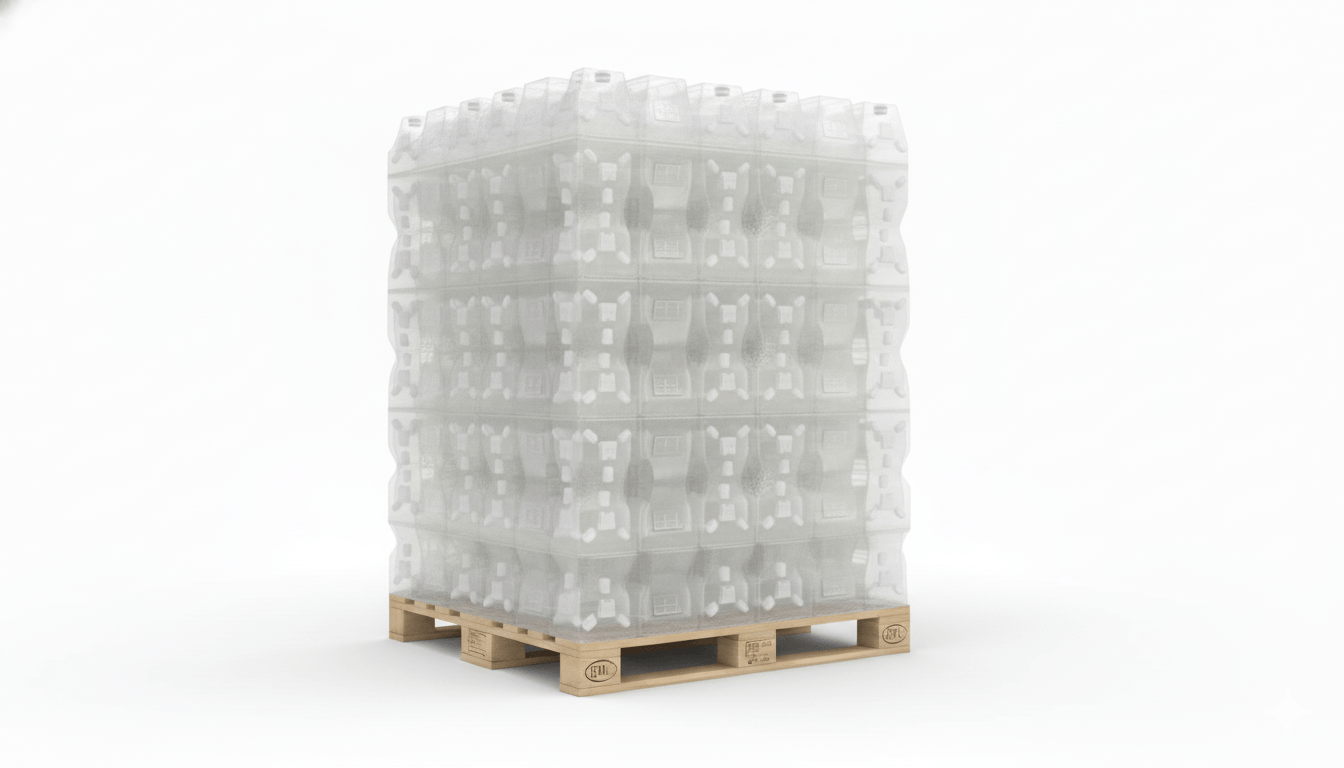
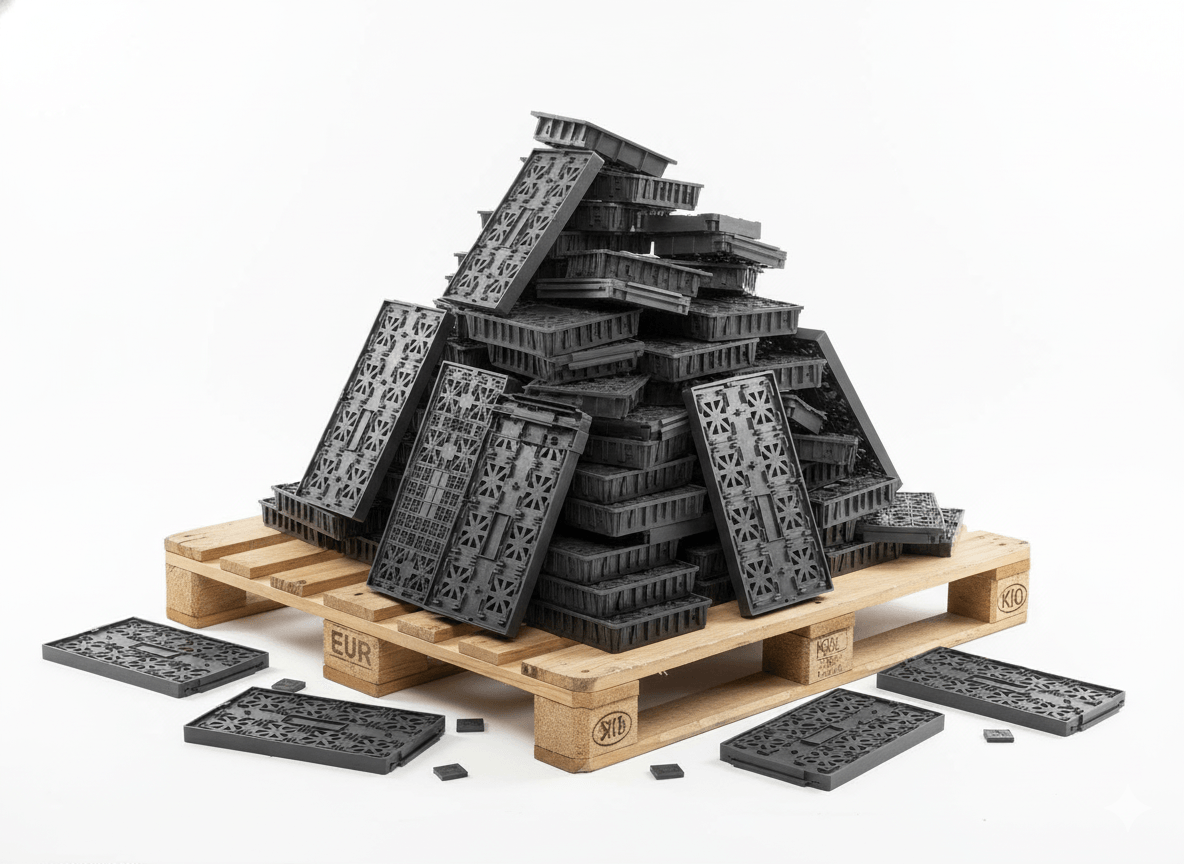
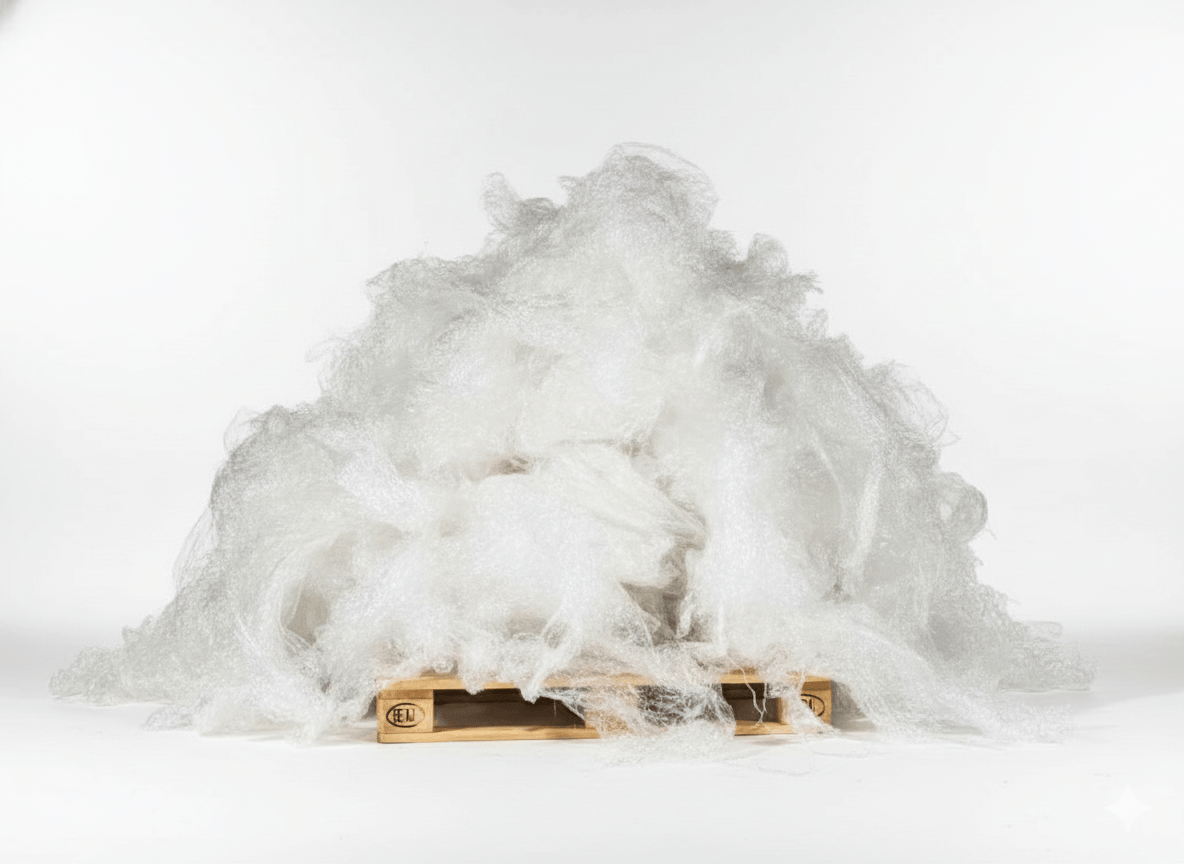
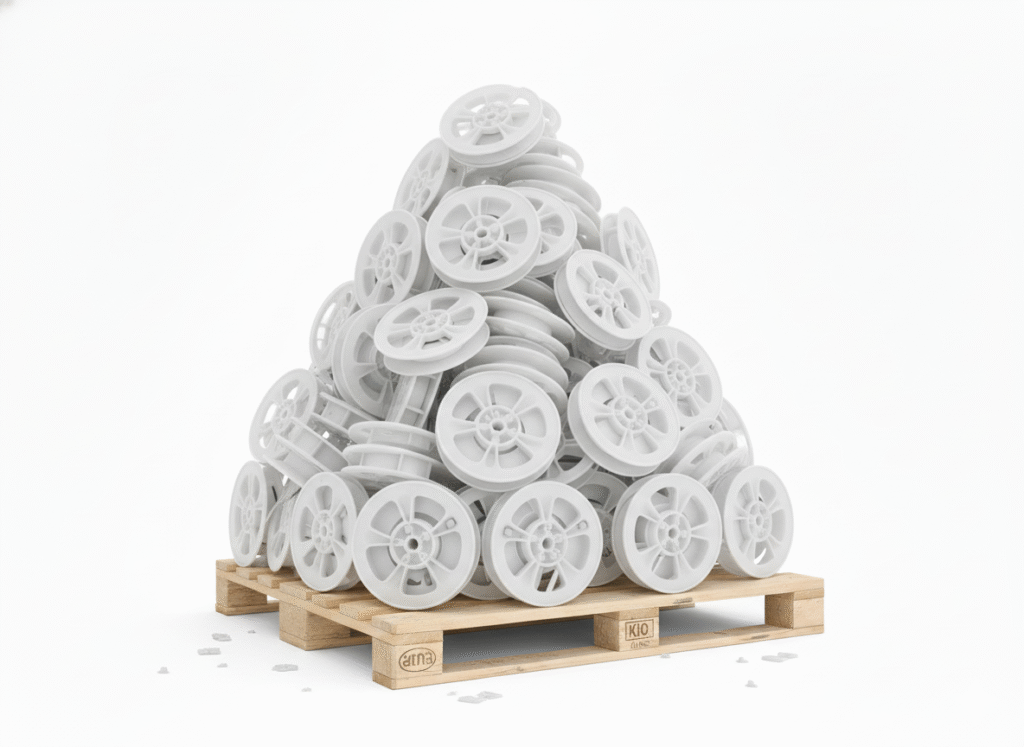
Note: Always remove contaminants from the recyclables, as these lower the value of recyclables.
Learn more about accepted materials and handling requirements in our Recycling & Waste Guides.
Plastic Recycling Collection Options and Pricing
This pricing table applies only to recyclable materials such as industrial plastics, paper, and metal.
Different recyclable materials may be combined, provided they are properly sorted and separated. The options below provide a general pricing guide.
For general waste or bulky waste disposal, please refer to our Waste Collection & Disposal Services for commercial and industrial clients.
Self Drop-Off
- No minimum weight required
- Self drop-off at our warehouse
- Receive cash rebates
Ad-Hoc Collection
- No minimum weight required
- Pickup from your location
- No cash rebates
Regular Collection
- Minimum 500kg per material type
- Pickup from your location
- Receive cash rebates
1) Not Accepted for Collection (Strictly Prohibited)
– PVC (Polyvinyl Chloride)
These materials cannot be collected or accepted under any circumstances due to safety or regulatory reasons.
2) Not Accepted Materials (May incur disposal charges)
– Consumer plastics (e.g. household packaging, PET bottles)
– Non-recyclable, contaminated or mixed plastics
These items cannot be processed for recycling and will be charged as waste disposal.
Additional Notes
– Ad-hoc collections in restricted or remote areas (e.g. Town, CBD, Sentosa, Jurong Island, Changi Air Freight Centre, Shipyards) — from $180/trip
– Plastic recycling and plastic product manufacturing are separate processes managed by different facilities. We do not manufacture plastic products or convert plastics into finished goods.
How Our Plastic Recycling Process Works
At Gee Hoe Seng Pte Ltd, we manage the first and most critical stages of Singapore’s plastic recycling chain — collection and sorting. We ensure that recyclable plastics are properly recovered, separated by type, and prepared for downstream recycling partners who handle washing, shredding, and reprocessing.
Together, this multi-step process turns discarded plastics into reusable materials that can be transformed into new products. The process of plastic recycling generally involves the following stages:
1. Plastic Collection
Plastic waste is collected from offices, factories, warehouses, and commercial buildings using our own fleet of vehicles. Our in-house team ensures timely and compliant collection for all clients.
2. Plastic Sorting
Collected plastics are sorted by type — such as PET bottles, HDPE containers, and PP packaging. Proper segregation improves recycling efficiency and material recovery.
3. Washing & Shredding
Recyclable plastics are thoroughly washed to remove contaminants and residues. They are then shredded into small flakes or pellets to prepare for reprocessing.
4. Melting & Reforming
Clean plastic flakes are melted and extruded into granules, which can be used as raw materials for manufacturing new plastic products.
5. Reuse in New Products
Recycled plastic granules are sold to downstream manufacturers as raw material for new plastic products such as packaging, containers, and components. Gee Hoe Seng manages the collection and sorting stages; downstream processing is handled by licensed recycling partners.
Frequently Asked Questions
Have questions about industrial plastic types, contamination limits, or rebate rates? Explore our FAQs below.
Yes. Gee Hoe Seng provides collection records and weight reports on request. Records include collection date, plastic type, and weight collected. These records support ISO 14001 environmental management audits, NEA mandatory waste reporting, and corporate ESG disclosures — particularly relevant for semiconductor and electronics manufacturers reporting against global supply chain sustainability standards such as RBA and SEMI.
The plastic identification codes 1 through 7 (the triangle symbol with a number) classify plastics by polymer type for sorting purposes — they do not guarantee an item is recyclable. Code 1 is PET, Code 2 is HDPE, Code 3 is PVC, Code 4 is LDPE, Code 5 is PP, Code 6 is PS, Code 7 is “Other” (mixed or specialty plastics). For Gee Hoe Seng’s industrial collection, we focus on bulk single-material loads of HDPE, PE film, PS, and specialty industrial plastics like FOUP and FOSB. Code 3 (PVC) is not accepted.
There is no minimum quantity for ad-hoc plastic collection ($120 per trip). For scheduled collection with cash rebates, the minimum is 500kg per material type. For smaller volumes, self drop-off at our Ubi facility is available at no charge with cash rebates paid on the spot. We assess your typical monthly output and recommend a collection frequency that is cost-efficient for your operation.
Yes. Gee Hoe Seng pays cash rebates for industrial plastic based on prevailing market rates and material grade at the time of collection or drop-off. Rebates apply to self drop-off (any quantity) and scheduled collection (500kg minimum per material type). Ad-hoc collection from your location does not qualify for rebates because of the dedicated trip cost. Single-material loads (e.g. clean PE film only, or FOUP only) attract higher rates than mixed loads.
Self drop-off at our Ubi facility is free, with cash rebates paid on the spot based on weight and material grade. Ad-hoc collection from your location is from $120 per trip with no minimum weight, but does not qualify for rebates. Regular scheduled collection is free for qualifying volumes of 500kg or more per material type, with cash rebates. Restricted or remote areas including the CBD, Sentosa, Jurong Island, and Changi Air Freight Centre incur a surcharge from $180 per trip.
Consumer plastics typically have high contamination rates from food residues, mixed materials (labels, caps in different polymers), and small package sizes that make sorting and processing economically unviable for our operation. Industrial plastics in bulk single-material loads — collected from manufacturing sites — yield significantly higher recycling recovery and rebate value. Households and small offices with consumer plastics should use the National Recycling Programme blue bins.
We collect industrial-grade plastics in single-material bulk loads. This includes FOUP and FOSB semiconductor containers, IC trays from electronics manufacturing, PE film (shrink wrap, stretch film, protective sheeting), and PS reels from SMT electronics assembly. We do not collect consumer plastics such as household packaging, PET drink bottles, food containers, or plastic bags. PVC is not accepted under any circumstances.
Yes. Gee Hoe Seng holds an NEA General Waste Collector licence (Class A and Class B), authorising us to collect and transport industrial plastics from commercial and manufacturing premises across Singapore. We are also ISO 9001 and ISO 14001 certified. We have been operating as a licensed recycler since 1992. Compliance documentation is available on request for audit and regulatory reporting purposes.
Need a compliant and responsible plastic recycling solution?
Our team will review your plastic types, volumes, and contamination risks to recommend a suitable, compliant, and operationally efficient plastic recycling solution for your business.
NEA-licensed industrial plastic recycling services with transparent sorting and reporting for businesses in Singapore.