Scrap Metal Recycling for Businesses in Singapore
NEA General Waste Collector — Class A & B · Since 1992
Gee Hoe Seng provides NEA-licensed scrap metal recycling for businesses across Singapore. We collect ferrous and non-ferrous metals including copper, brass, aluminium, stainless steel (201 and 304/316), iron, and mixed metal waste from industrial, commercial, and manufacturing operations. Self drop-off at our Ubi facility is free with cash rebates paid on the spot. Ad-hoc collection starts from $120 per trip. Regular scheduled collection is free for qualifying volumes of 500kg or more per material type, with cash rebates based on prevailing market rates.
We hold a General Waste Collector licence (Class A and Class B) issued by the National Environment Agency and have operated in Singapore since 1992.
Singapore’s Metal Recycling Trends
According to the National Environment Agency (NEA), metal is one of Singapore’s most successfully recycled materials due to its high recovery value and wide industrial demand.
In 2025, out of 1,265 thousand tonnes of ferrous metal waste and 115 thousand tonnes of non-ferrous metal waste generated in Singapore, 99% (1,258 thousand tonnes) of ferrous metal waste and 99% (113 thousand tonnes) of non-ferrous metal waste were recycled. Metal recycling plays a crucial role in reducing the need for virgin ore mining, conserving energy, and minimizing carbon emissions. By reusing existing metal resources, we help support Singapore’s transition toward a low-carbon and circular economy.
What is Metal Recycling?
There are two main categories of metals — ferrous and non-ferrous. Although ferrous metals are recycled in larger volumes, non-ferrous metals are significantly more valuable due to their wide industrial applications and higher resale value.
1. Common non-ferrous metals (non-magnetic)
Copper, Brass, Aluminium, Stainless Steel (304/316)
2. Common ferrous metals (magnetic, with iron content)
Iron, Stainless Steel (201)
Electrical cables and wiring, Machinery & Equipment
Among these, copper is typically the most valuable scrap metal, followed by bronze, brass, aluminum, and stainless steel.
By participating in proper metal recycling, businesses can cut disposal costs, recover value from scrap materials, and demonstrate environmental responsibility.
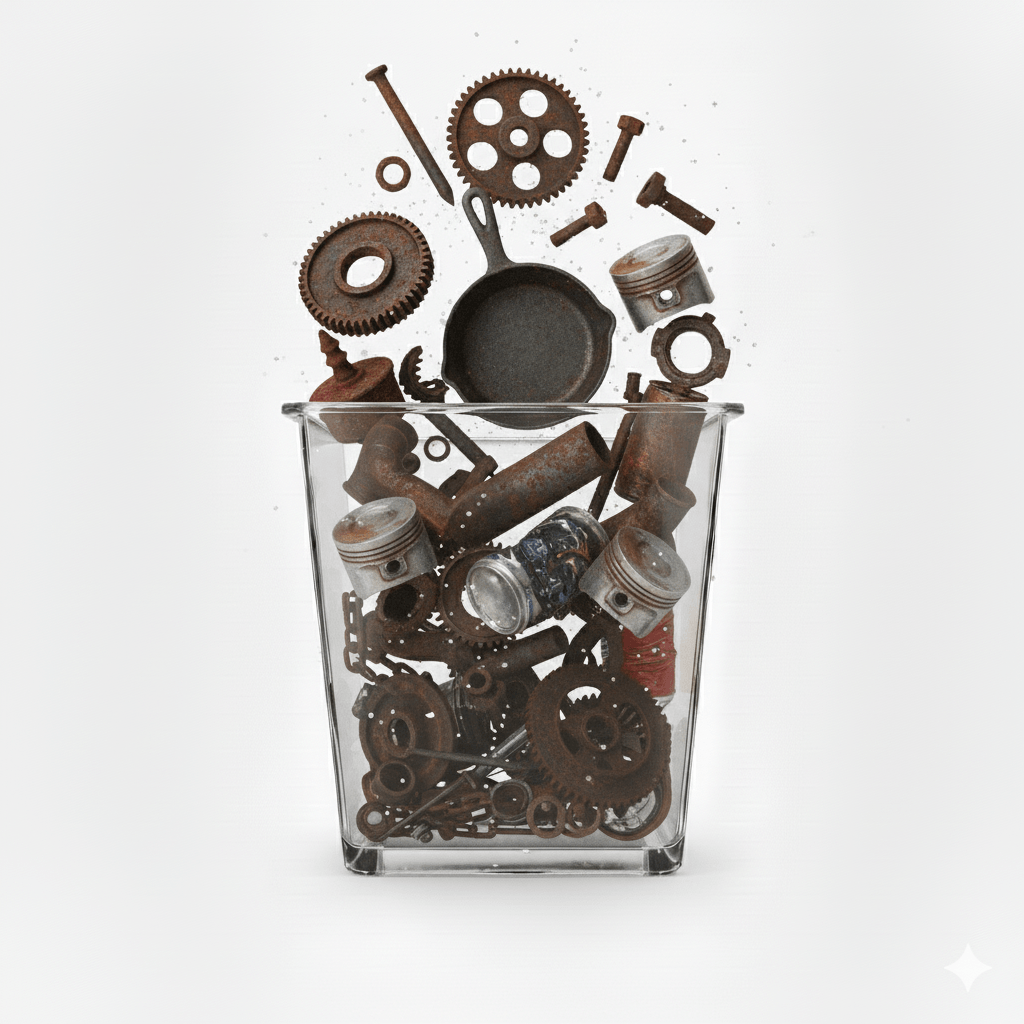
Types of Metal We Recycle from Singapore Businesses
At Gee Hoe Seng, we handle a wide range of ferrous and non-ferrous metals from industrial, commercial, and manufacturing operations. Our in-house facility is equipped to process scrap efficiently and pay rebates based on current market grades.
High-value non-ferrous metals (highest rebate rates)
- Copper: copper wire, copper pipe, copper scrap
- Brass
- Aluminium: extrusion (ET), beverage cans, other grades
- Stainless steel: 304, 316
Standard ferrous metals
- Iron
- Stainless steel: 201
Mixed metal waste
- Electrical cables and wiring
- Machinery and equipment
Precious metals (handled separately)
Gold, silver, platinum, and palladium recovery is handled through our Precious Metal Recycling Service, which is confidential and relationship-based.
Among standard scrap metals, copper is typically the most valuable, followed by brass, aluminium, and stainless steel. Rebate rates are quoted on the day of collection or drop-off based on prevailing market rates and material grade.
Learn more about accepted materials and handling requirements in our Recycling & Waste Guides.
Metal Recycling Collection Options and Pricing
This pricing table applies only to recyclable materials such as metal, paper and industrial plastics.
Different recyclable materials may be combined, provided they are properly sorted and separated. The options below provide a general pricing guide.
For general waste or bulky waste disposal, please refer to our Waste Collection & Disposal Services for commercial and industrial clients.
Self Drop-Off
- No minimum weight required
- Self drop-off at our warehouse
- Receive cash rebates
Ad-Hoc Collection
- No minimum weight required
- Pickup from your location
- No cash rebates
Regular Collection
- Minimum 500kg per material type
- Pickup from your location
- Receive cash rebates
IMPORTANT NOTES & EXCLUSIONS
1) Not Accepted for Collection (Strictly Prohibited)
- Aerosol cans, pressurised cylinders and fire extinguishers
- Containers that previously held flammable, toxic, or corrosive substances (e.g. paint cans, chemical drums, fuel tanks)
These materials cannot be collected or accepted under any circumstances due to safety or regulatory reasons.
2) Non-Recyclable Materials (May incur disposal charges)
- Kitchen equipment (Fridge and Freezers)
- Washing machines
- Safe boxes
- Composite materials (metal fused with plastic, rubber, wood, or fabric) — e.g. chairs with metal frames, bicycles, aluminium banners
These items are non-recyclable or require extensive processing to separate contaminants, and will therefore be charged as waste disposal.
Additional Notes
- Ad-hoc collections in restricted or remote areas (e.g. Town, CBD, Sentosa, Jurong Island, Changi Air Freight Centre, Shipyards) — from $180/trip
- Additional charges may apply for overweight or bulky items, heavy lifting requirements, or sites without a forklift or suitable loading equipment.
How Our Metal Recycling Process Works
At Gee Hoe Seng Pte Ltd, we manage the key stages of Singapore’s metal recycling chain — collection and sorting. Our in-house operations ensure that both ferrous and non-ferrous metals are recovered efficiently, processed safely, and delivered to downstream refiners for smelting and reuse.
Together, this five-step process transforms metals into valuable raw materials that can be reintroduced into various industries.
1. Metal Collection
Scrap metal is collected from companies using our own fleet of vehicles. Our in-house team ensures timely and compliant collection for all clients.
2. Metal Sorting
Metals are separated into ferrous (iron, steel) and non-ferrous (copper, aluminum, brass, stainless steel) categories. Proper sorting ensures quality and value recovery.
3. Cutting
Large or bulky metal items are cut into smaller pieces for easier handling, storage, and melting efficiency during downstream processing.
4. Baling & Preparation
Processed metals are compacted or baled to reduce volume and improve logistics. Each bale meets export or smelter specifications for grade and cleanliness.
5. Melting & Refining
At licensed smelting facilities, metals are melted and recast — ready to be used in new manufacturing processes.
Frequently Asked Questions
Have questions about scrap metal types, rebate rates, or collection requirements? Explore our FAQs below.
Need a reliable and transparent metal recycling solution?
Our team will review your metal types, quantities, and collection requirements to recommend a compliant, efficient, and value-optimized metal recycling solution for your business.
NEA-licensed metal recycling services with transparent weighing and reporting for businesses in Singapore.