
Biochar Supplier & Producer in Singapore
Sustainable Carbon Solution for Agriculture & Construction
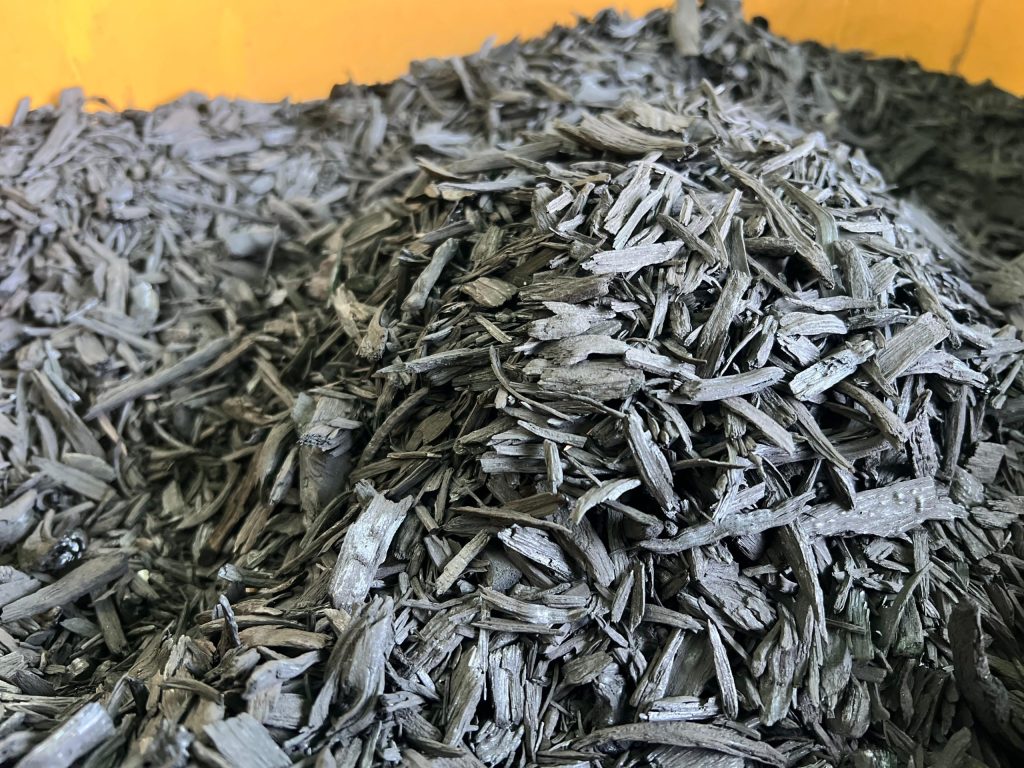
Gee Hoe Seng is Singapore’s largest biochar producer. We manufacture biochar on-site through pyrolysis of uncontaminated horticulture and wood waste, producing a stable carbon-rich material used in agriculture, landscaping, environmental remediation, and construction. Biochar locks carbon into a stable form for centuries, making it a measurable contributor to corporate carbon sequestration and ESG reporting.
Our biochar is produced under strict quality control from single-stream clean biomass, ensuring consistent composition suitable for agricultural, horticultural, and industrial applications. Bulk supply is available for landscaping projects, agricultural operators, concrete additive applications, and research collaborations.
What is Biochar?
Carbon Rich Material for a Greener Future
Biochar is a carbon-rich, porous material produced by heating organic biomass at high temperatures (typically 400–700°C) in a low-oxygen environment. The process, called pyrolysis, converts volatile organic compounds into stable carbon. Unlike charcoal, which is produced for combustion, biochar is engineered specifically for soil amendment and carbon sequestration — it is not meant to be burned.
When biomass decomposes naturally, its carbon is released back into the atmosphere as CO₂. Pyrolysis breaks this cycle by converting that carbon into a highly stable form that can remain locked in soil for hundreds to thousands of years. This makes biochar one of the few carbon removal methods recognised by major carbon accounting frameworks, including the IPCC.
At Gee Hoe Seng, we produce biochar exclusively from uncontaminated horticulture waste and single-stream clean biomass, ensuring a pure and consistent product safe for agricultural, horticultural, and construction applications.
Carbon Sequestration
Biochar stores carbon in a stable form for hundreds to thousands of years. Each tonne of biochar sequesters approximately 2.5 to 3 tonnes of CO₂ equivalent, recognised by IPCC and major carbon registries.
Soil Fertility
The porous structure of biochar provides habitat for beneficial soil microorganisms and reduces nutrient leaching. Studies show yield improvements of 10–25% in nutrient-poor tropical soils when biochar is applied alongside compost or fertiliser.
Water Retention
Biochar’s high surface area (typically 200–400 m² per gram) allows it to retain water and water-soluble nutrients. Soils amended with biochar can retain up to 18% more plant-available water, critical for drought resilience and reduced irrigation needs.