Pyrolysis and Biochar Production in Singapore
Sustainable Waste-to-Resource Solutions in Singapore.
Gee Hoe Seng operates pyrolysis systems in Singapore, converting organic waste and biomass into biochar, bio-oil, and syngas. We have managed waste streams in Singapore since 1992. Our pyrolysis process accepts horticulture waste, wood waste, and food waste from commercial and industrial operators. Biochar produced from our pyrolysis process is available for purchase for agricultural, horticultural, and soil remediation applications.
Pyrolysis is an advanced thermal process that breaks down organic materials—such as horticulture waste, wood, plastics, and food scraps—at high temperatures in an oxygen-free environment. Unlike traditional incineration, pyrolysis produces minimal emissions and converts waste into valuable by-products like biochar, syngas, and bio-oil.
As a sustainable waste management solution, pyrolysis supports resource recovery and contributes to circular economy goals by turning waste into renewable resources. In Singapore, pyrolysis offers a scalable pathway for sustainable waste management by reducing landfill dependency and converting waste streams—such as horticultural and food waste—into valuable renewable resources.
Waste Reduction
Efficiently processes diverse waste streams including biomass and plastics
Energy Recovery
Converts waste into syngas and bio-oil, creating clean renewable energy
Carbon Sequestration
Biochar improves soil fertility while locking away carbon permanently
Why Pyrolysis Matters for Singapore’s Circular Economy
As Singapore advances toward a Zero Waste Nation, pyrolysis plays a pivotal role in transforming waste into renewable energy and materials. By diverting organic and plastic waste from incineration, pyrolysis reduces greenhouse gas emissions while generating usable outputs that support circular economy initiatives and carbon reduction targets.
At Gee Hoe Seng Pte Ltd, we combine over 30 years of waste-management experience with modern pyrolysis systems to deliver reliable and sustainable outcomes for industries and municipalities.
Our Pyrolysis Process
At Gee Hoe Seng, a leading biochar producer in Singapore, our process not only reduces carbon emissions but also supports sustainable waste management and circular economy goals, ensuring that waste is transformed into renewable resources.
Through our biochar production, we deliver solutions that contribute to carbon sequestration, soil improvement, and renewable energy generation—making us a trusted partner for industries seeking sustainable waste-to-resource solutions in Singapore.
By-Products of Pyrolysis
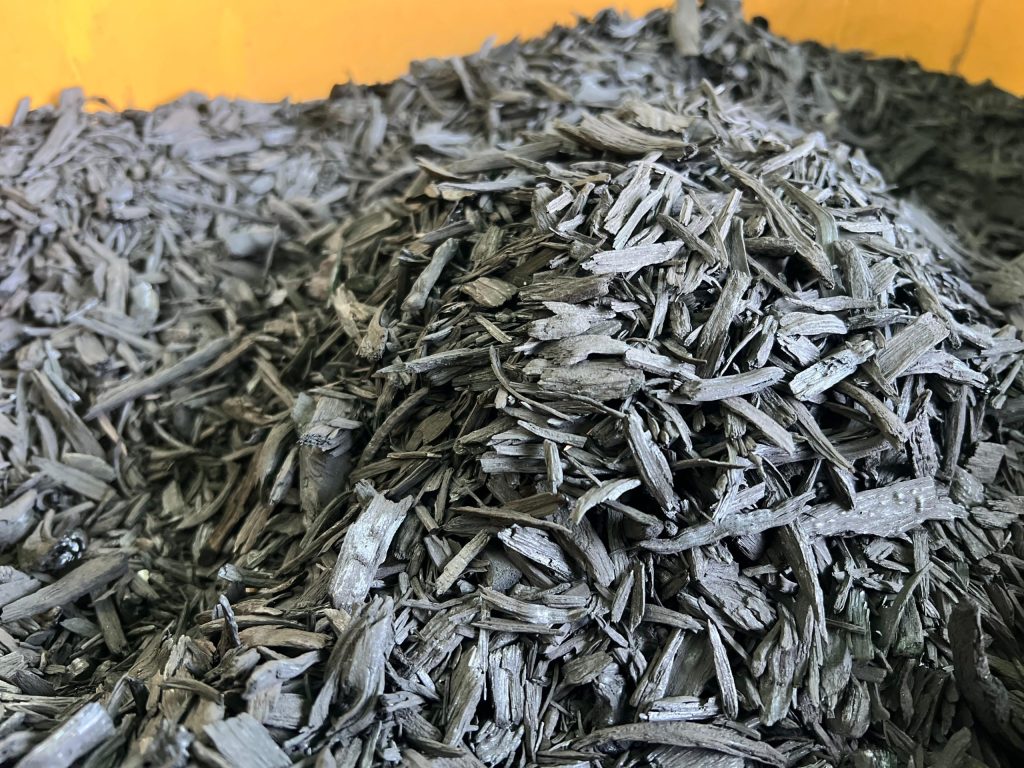
2. Pyrolysis Oil
Bio-oil is a dense energy source derived from organic feedstock. Industries can use pyrolysis oil as a renewable fuel alternative.
3. Syngas
Syngas, or synthetic gas, is a clean fuel composed mainly of hydrogen and carbon monoxide. It can be used to generate heat or electricity within the pyrolysis process itself, enhancing overall energy efficiency and reducing reliance on external fuel sources.
Together, these by-products demonstrate the scalability of pyrolysis as a sustainable, low-emission waste-to-resource solution for industries across Singapore and Southeast Asia, supporting the nation’s circular economy and carbon reduction goals.
Frequently Asked Questions
Have questions about pyrolysis, biochar, or waste collection arrangements? Explore our FAQs below.
Gee Hoe Seng sells biochar produced from our pyrolysis process in Singapore. Biochar is available for agricultural use, horticultural applications, and soil remediation. Visit our shop to order online or contact us at +65 6844 1323 for bulk orders and pricing.
Singapore’s Zero Waste Masterplan targets a 30% reduction in waste sent to Semakau Landfill by 2030. Pyrolysis diverts organic and biomass waste from incineration, reduces greenhouse gas emissions, and produces useful materials — particularly biochar, which can be used to improve soils and sequester carbon. Gee Hoe Seng’s pyrolysis operations contribute to these national targets by processing horticulture and wood waste from commercial operators.
Biochar is a solid carbon product used in soil improvement and carbon sequestration. Bio-oil is a liquid energy source derived from organic feedstock, usable as a renewable fuel alternative. Syngas is a gaseous fuel composed mainly of hydrogen and carbon monoxide, used to generate heat or electricity within the pyrolysis process itself. All three are produced from the same pyrolysis process.
Pyrolysis produces significantly fewer emissions than incineration and converts waste into reusable by-products rather than heat and ash. Biochar from pyrolysis sequesters carbon permanently in the soil, supporting carbon reduction goals. Incineration destroys organic material entirely. For organic and biomass waste streams, pyrolysis offers both environmental and economic advantages over incineration.
Biochar is a stable carbon-rich solid produced when organic material is heated in the absence of oxygen. It is used to improve soil structure, increase water retention, support plant growth, and sequester carbon in agricultural and horticultural applications. Gee Hoe Seng produces and sells biochar in Singapore for farms, nurseries, urban gardens, and soil remediation projects.
Gee Hoe Seng’s pyrolysis process accepts horticulture waste including tree trunks, branches, and wood cuttings, as well as wood waste and food waste from commercial and industrial sources. Contact us to confirm whether your specific waste stream is suitable.
Pyrolysis is a thermal process that breaks down organic materials at high temperatures in an oxygen-free environment. Unlike incineration, pyrolysis produces minimal emissions and converts waste into useful by-products — biochar, bio-oil, and syngas — rather than simply burning it.